We are SO excited about all of the activities we’ve created for teaching kids the Come, Follow Me curriculum, and we want to share them with as many people as possible! Feel free to print these pages up for free and share them with anyone else who might be interested!
*If you’re interested in saving your own ink by purchasing printed books that have all of these ready-to-use activities in them, or if you’d like more information on how our family plans on using these activities, take a look at this post.
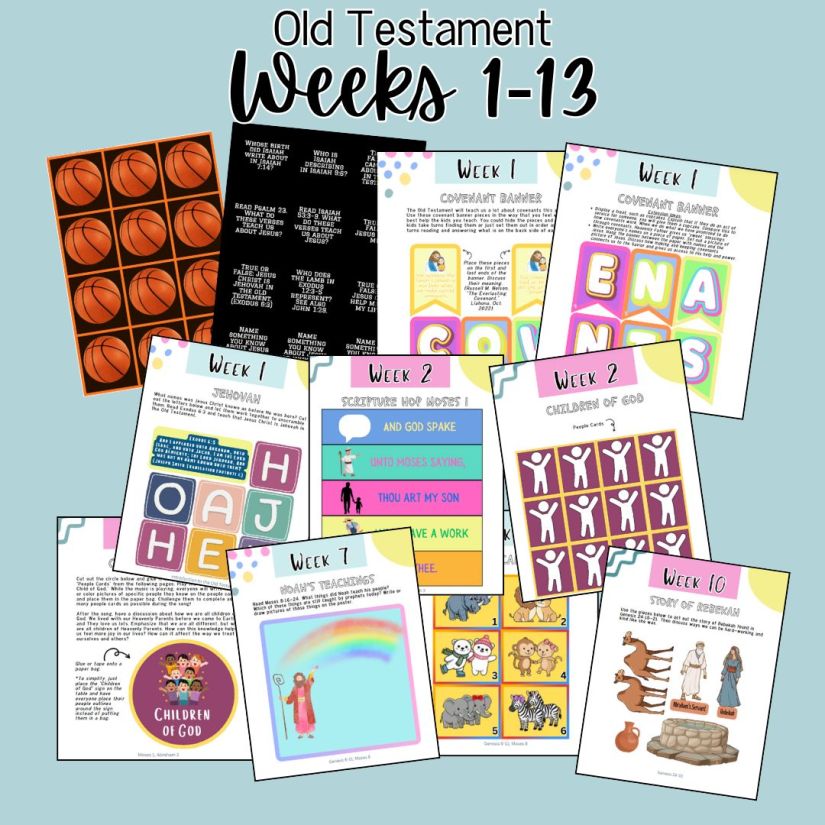
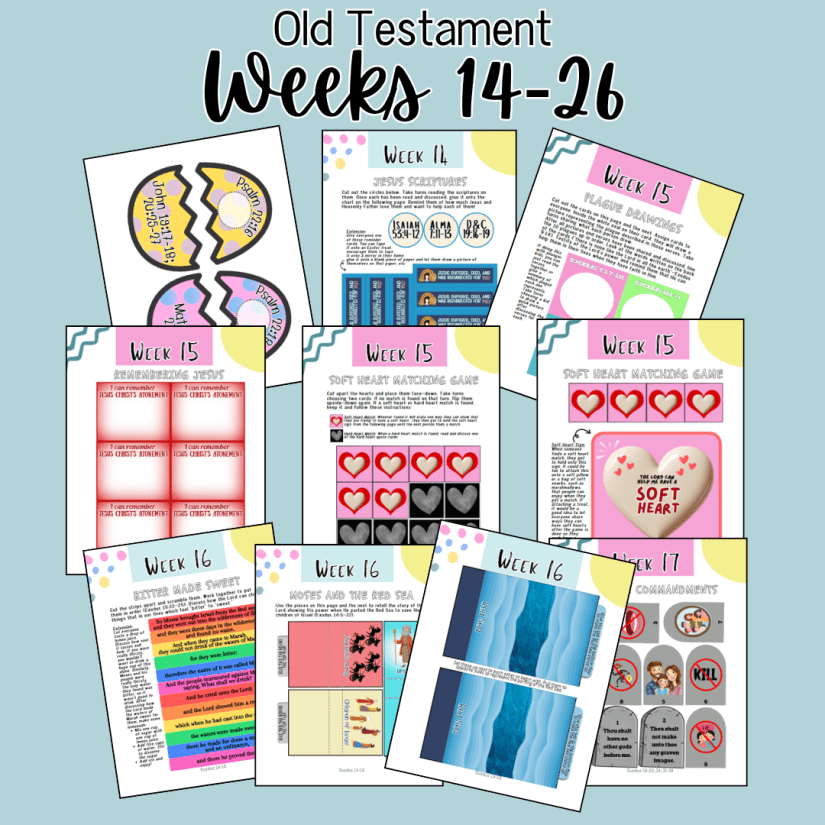
OLD TESTAMENT
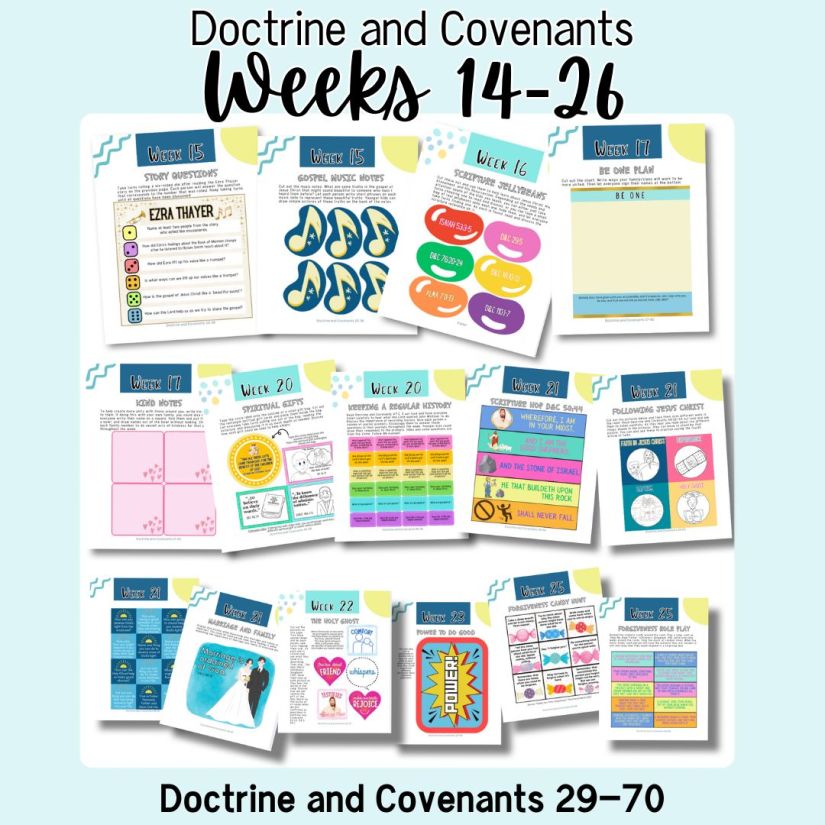
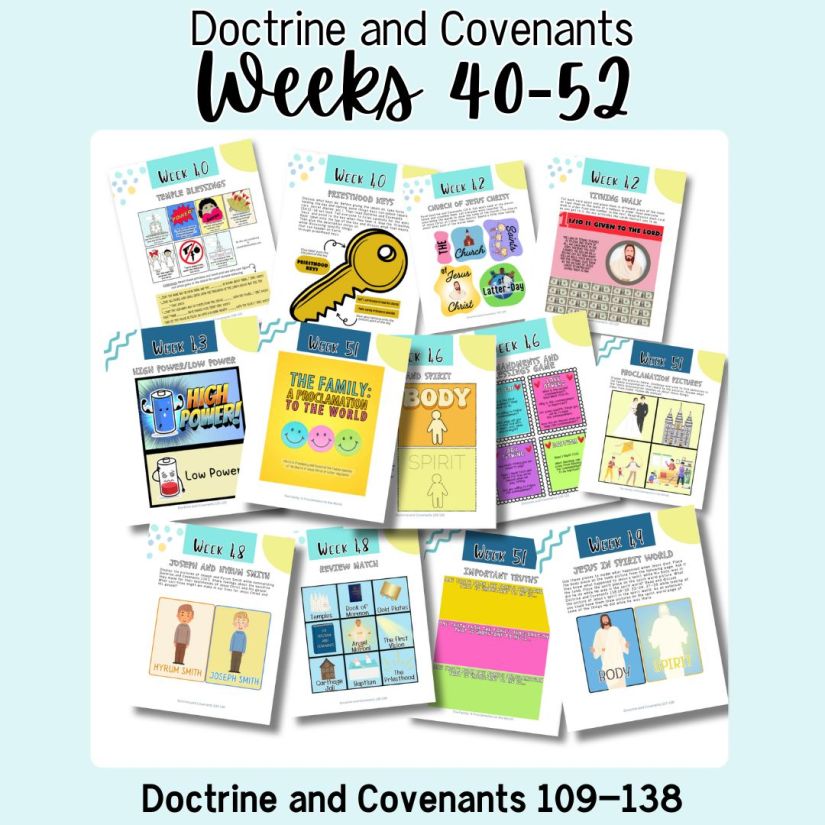
DOCTRINE AND COVENANTS
BOOK OF MORMON:
*Thanks to Crystal from theredcrystal.org for help with lots of the artwork in these activities.
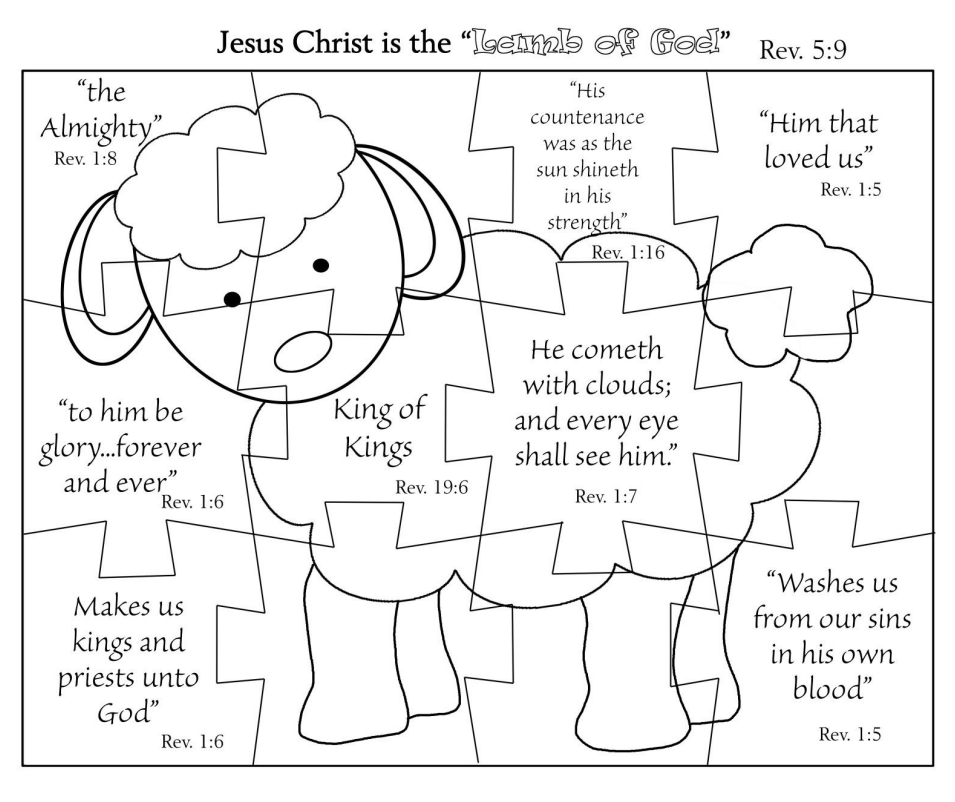
Lamb of God Puzzle created by Crystal from theredcrystal.org. Cut apart the puzzle and take turns choosing pieces. As each piece is chosen, read and discuss the description of Jesus on it.
Treat: Why should glory and power be unto the Lamb (Christ) forever? Review what we know about Jesus Christ and why He’s important to us while making these lamb treats from Dancing Through the Rain (using graham crackers, small marshmallows, frosting, candy melts, and candy eyes).
Week 50 Dragon Vs. Lamb Dodgeball
Revelation 6-14 “They Overcame…by the Blood of the Lamb”
From the Manual: Revelation 12:7–11; 14:6 Some family members might enjoy drawing pictures of the visions described in Revelation. For example, drawing pictures based on Revelation 12 could lead to discussions about the War in Heaven (see verses 7–11). Pictures based on Revelation 14:6 could lead to discussions about the Restoration of the gospel.
After reading Revelation 14:6 together, consider showing pictures of the angel Moroni and of other angels who helped restore the gospel in our day. Perhaps family members could take turns holding up one of the pictures and sharing reasons they are thankful that angels came “having the everlasting gospel to preach unto [us].”
Treat: Make a simple sword treat like this one from Rainy Day Mum. Discuss this part of the manual, and then talk about how Christ and our testimonies are more valuable weapons in this war than swords. From the Manual: We don’t know a lot about the War in Heaven, but there is a vivid though brief description of it in Revelation 12:7–11. As you read these verses, picture yourself as part of that premortal conflict. What do you learn about how Satan is overcome? (see verse 11). The war that started in heaven continues on earth, as Satan persists to “make war with [those who] have the testimony of Jesus Christ” (Revelation 12:17). What do you learn from Revelation 13 about how he is waging that war today? How do “the blood of the Lamb” and “the word of [your] testimony” (Revelation 12:11) continue to help you in this war?
Primary Christmas Songs: Here are some LDS Christmas songs you can play in the background while the kids color the ornaments/wreath.
Treat: Make these Rice Krispies Wreaths. Review parts of the Nativity story or list reasons why Christ is important to us while putting M & M’s on the top.
From the Manual: Revelation 15:2–4As your family discusses these verses, which refer to “the song of Moses” and “the song of the Lamb,” you might read the song of Moses in Exodus 15:1–19, along with other songs mentioned in the scriptures, like Doctrine and Covenants 84:98–102. Why might those who get “the victory over the beast” (Revelation 15:2) feel like singing songs like these? Perhaps your family could sing a hymn or children’s song of praise.
Treat: From the manual: Share with the children some images or details that John used to describe celestial glory (see Revelation 21:1, 3–4, 22–27; 22:1–2), and invite the children to draw pictures of these things.
Click on pictures above or here to order these books on Amazon.
We created these books to help simplify our lives and make studying the Come, Follow Me manuals with our own kids more engaging and exciting. If it’s something that you think would help you, feel free to grab a copy for yourself!
Here’s a little bit of information about these books:
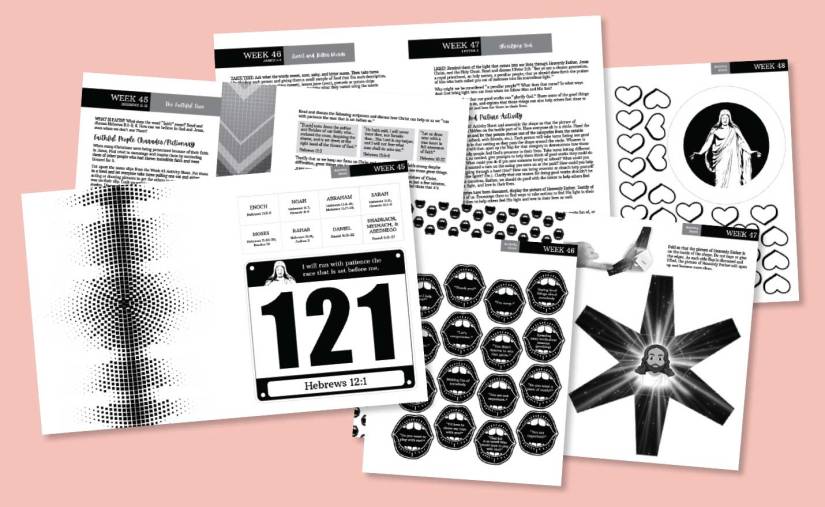
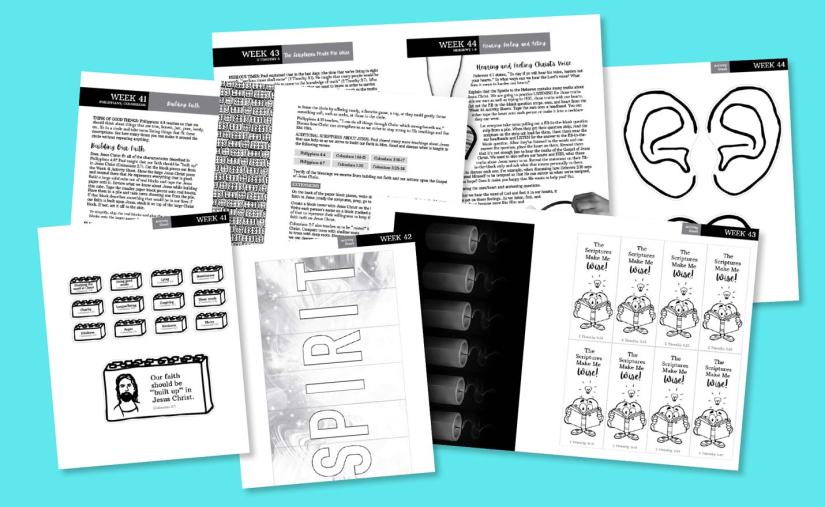
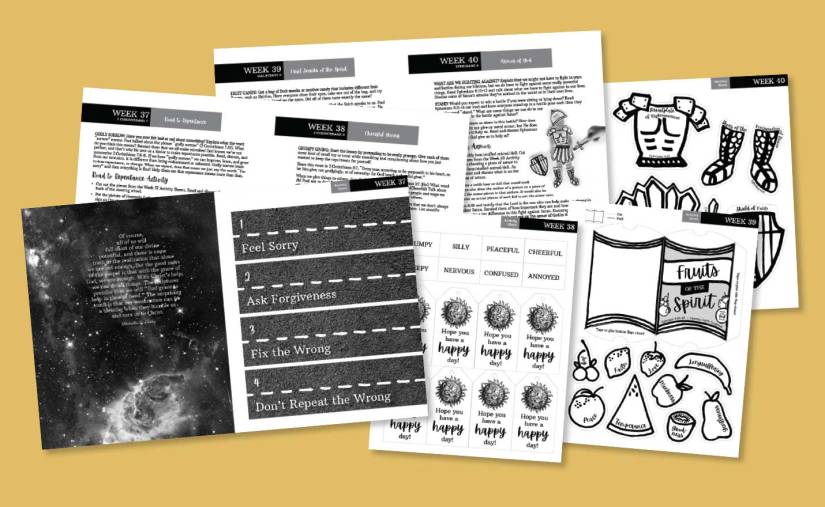
They have tons of COLORED activity pages that can be cut right out of the book and used immediately!
There are a handful of activities that go along with each week. You can use all of them throughout the week or pick and choose one or two that best fit your needs.
Each book contains materials for 13 weeks of studying the Come, Follow Me Book of Mormon manual. We had to split it up in order to pack more activities into the book. When each new book is available, it will also be posted on Amazon.
Our plan for using these books is to spread the activities throughout the week. We will focus on one or two sections from the church’s manual each day and sprinkle in activities as needed.
Our main goal in creating these is always to help our own kids learn the Gospel of Jesus Christ, and we’re happy if they help anyone else teaching kids as well. Our girls get a little older each year, and this year we feel like they are old enough to do more direct reading from the manual with us. At the same time though, we know that hands-on learning activities are still totally necessary to keep their attention, help them enjoy learning, and make their learning more meaningful!
Don’t hesitate to let us know if you ever have any questions or suggestions! The fastest way to reach us is through email (comefollowmekid@gmail.com).
*Thanks to Crystal from theredcrystal.org for help with lots of the artwork in these books.
From the Manual: If someone asked you to define faith, what would you say? Sister Anne C. Pingree drew on language from Hebrews 11 to give this definition of faith: “The spiritual ability to be persuaded of promises that are seen ‘afar off’ but that may not be attained in this life” (“Seeing the Promises Afar Off,” Ensign or Liahona, Nov. 2003, 14).
Consider developing your own definition of faith as you ponder the ideas in Hebrews 11. What do the examples of the people mentioned in this chapter teach you about faith? (See also Ether 12:6–22.)
What promises do you see “afar off”? How can you show the Lord that you are “persuaded of them, and [have] embraced them”? (Hebrews 11:13).
Treat: From the manual: Hebrews 12:5–11Why does the Lord chasten and correct us? What do we notice in these verses about the way the Lord sees chastisement? How do these verses affect the way we give or receive chastisement?
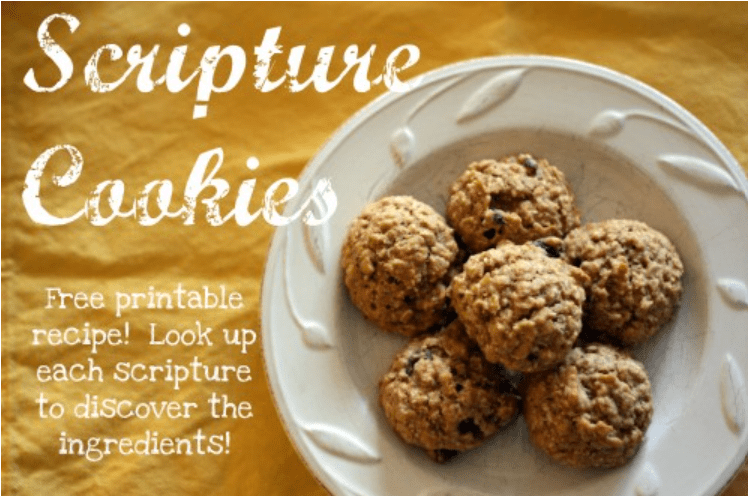
Show them a simple cookie recipe and tell them you’re going to make cookies. Start throwing in ingredients that don’t follow the recipe (things that will obviously ruin the cookies, like peas or a pinch of flour instead of cups of flour). If anyone corrects you, relate that to the Lord correcting us through chastening. Remind them that He corrects us because He cares about us and wants to help us be happy and receive blessings.
Week 46 Sweet and Bitter Words
James “Be Ye Doers of the Word, and Not Hearers Only”
From the Manual: James 1:26; 3:1–18 The words I speak have the power to hurt or bless others. Among the rich imagery James used throughout his epistle, some of his most vivid language is found in his counsel about language. Consider making a list of all the ways James described the tongue or mouth. What does each comparison or image suggest about the words we speak? Think of something you can do to bless someone with your words (see Doctrine and Covenants 108:7).
James 3includes many images that could inspire memorable object lessons to help your family remember to speak kindly. For example, you could build a fire together and talk about how a small, unkind word can cause a big problem (see verses 5–6). Or you could serve something sour in something that is usually used for sweet food—such as lemon juice in a honey jar. This could lead to a discussion about using sweet and uplifting words (see verses 9–14).
Treat: Use marshmallows or another treat to do the experiment explained in the Continue in Patience video from the church (see if they can wait without eating it to earn more treats). Watch the video and discuss.
Week 47 Glorifying God
1 and 2 Peter “Rejoice with Joy Unspeakable and Full of Glory”
From The Manual: 1 Peter 2:5–10As you read these verses with your family, consider using rocks to help family members visualize Peter’s teachings that the Savior is our “chief corner stone.” How are we like the “lively [living] stones” that God is using to build His kingdom? What do we learn from Peter about the Savior and our role in His kingdom? What is Peter’s message to your family?
1 Peter 3:8–17How can we “be ready always to give an answer” to those who ask us about our faith? Your family might enjoy role-playing situations in which someone approaches them with a question about the gospel.
1 Peter 3:18–20; 4:6What can your family do to feel connected to your ancestors? Perhaps you could celebrate deceased ancestors’ birthdays by preparing their favorite meals, looking at pictures, or telling stories from their lives. If possible, you could also plan to receive ordinances for your ancestors in the temple (for help, visit FamilySearch.org).
More Ideas: Weaving (Through the power of Jesus Christ, I can develop my divine nature) – Does Christ expect us to become like him suddenly? Help them see that this is something that takes time, but each small thing we do to become more like Christ can end up making a big difference. Compare this to a piece of yarn and show picture from the manual of what lots of pieces of yarn can look like when they’re combined together to form a beautiful tapestry.
Read/discuss/summarize the quote from the manual: “The attributes of the Savior … are interwoven characteristics, added one to another, which develop in us in interactive ways. In other words, we cannot obtain one Christlike characteristic without also obtaining and influencing others. As one characteristic becomes strong, so do many more.” (Robert D. Hales) Craft: Use colored construction paper or copy the weaving strips/mat below onto two separate colors of paper. Read 2 Peter 1:5-7 and discuss each of the Christlike attributes listed (faith, virtue, knowledge, temperance, patience, godliness, brotherly kindness, and charity) while weaving the strips onto the mat. Instructions for weaving found here. Glue picture of Christ on top of weaving when done. 2 Peter 1:5 says we should give “all diligence” as we try to get these attributes that Jesus had to become more like Him. Talk about ways we can give diligence to trying to become like Jesus. Remind them that we’ll feel more joy in our lives as we become more like Him.
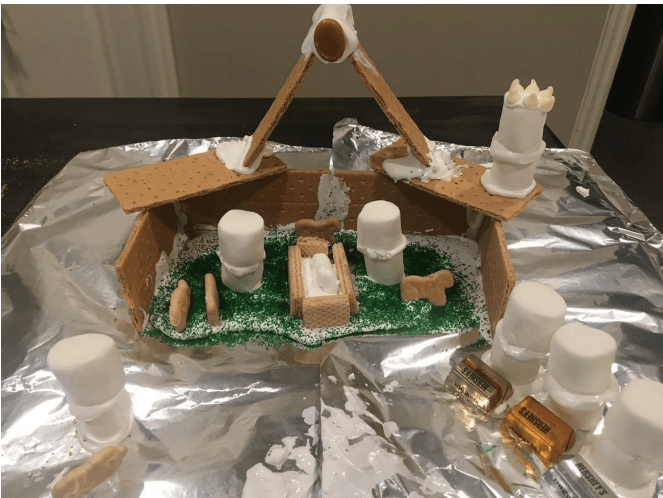
Treat: Make sugar cube temples. We have done this a couple of times, and our girls LOVE making them! One thing we’ve learned to do that helps it go more smoothly is to put homemade frosting in a bowl (powdered sugar mixed with milk), and then they can just dip the bottom of their cubes in the frosting before putting them on their temple. It does drip a little bit, so putting a disposable tablecloth underneath it all would help make cleanup a lot easier. 🙂
From the Manual: 1 John 2:8–11 To help your family ponder John’s teachings, gather in a dark room so family members can experience the difference between walking “in darkness” and walking “in the light.” How does hatred cause us to walk in darkness and stumble? How does loving each other bring light into our lives?
1 John 3:21–22What in these verses increases the “confidence” that we have in God and in our ability to receive answers to our prayers?
1 John 5:2–3Are there any commandments that we consider “grievous” or difficult to follow? How does our love for God change the way we feel about His commandments?
3 John 1:4What does it mean to “walk in truth”? You might take this opportunity to tell family members how you have seen them walk in truth and talk about the joy this brings you. Family members might enjoy writing about or drawing truths they have learned on paper footprints and using them to make a path your family can walk on together.
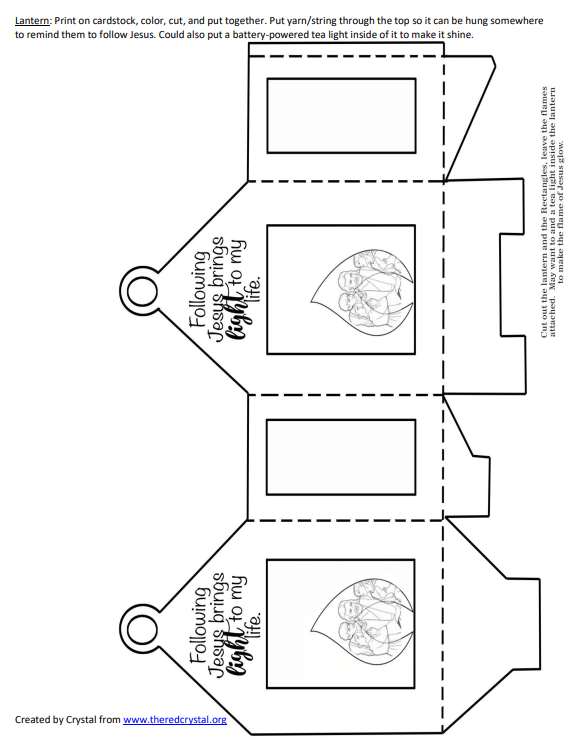
More Ideas: Make this lantern to remind them of the light that Jesus can bring into our lives. Put a tealight inside of it to make it shine. Created by Crystal from www.theredcrystal.org.
Overcoming the World Activity: Read the story excerpt below from Elder Neil L. Andersen. Talk about how amazing it would be to experience that and how it is possible for us to receive those blessings. Remind them that Heavenly Father and Jesus love us, and that they also want us to receive those blessings. Read/discuss/summarize 1 John 5:4-5. Talk about what it means to overcome the world and how our faith can help us overcome the world. Read/discuss/summarize 1 John 2:24-25. Elder Neil L. Andersen said, “Overcoming the world is not one defining moment in a lifetime, but a lifetime of moments that define an eternity.” Banner Coloring Page: Have each family member draw a picture of themselves on the “These Are They Who Have Overcome the World” banner page. While coloring, talk about specific things we could focus on to help us as we try to overcome the world (for us it’s probably going to be things like being reverent during church, scripture study, prayers, etc.). Read/discuss/summarize John 16:33 and John 3:16-21. Talk about how Jesus overcame the world and is able to help us also overcome the world.
Treat: Use pie dough and strawberry jam to make these cute love notes from Delish.
From the Manual: How can you tell that Jesus Christ is helping you become a “new man [or woman]”? One way to ponder this is to explore Colossians 3:1–17 and make a list of the attitudes, attributes, and actions of the “old man” and another list of the attitudes, attributes, and actions of the “new man.”
Colossians 2:2–3Your family might enjoy filling a “treasure chest” with things that represent the “riches” and “treasures of wisdom and knowledge” you find in the gospel.
Show objects or pictures that represent things that help you “rejoice in the Lord” (Philippians 4:4), such as His creations, a temple, His Resurrection, or a family. Let the children take turns selecting a picture or object, and then tell them why it makes you happy. Invite them to share things that help them rejoice in the Lord.
Treat: Read/discuss/summarize Colossians 2:6. Remind them that when we believe in Christ, we will also follow in his footsteps and try to live the way He did. We should follow Him and be like Him. Use Milanos and mini Charleston Chews to make footprint cookies using the directions from UpdikeUpdates
Week 42 Quenching the Spirit
1 and 2 Thessalonians “Perfect That Which is Lacking in Your Faith”
From the Manual: As you review Paul’s counsel in 1 Thessalonians 5:14–25, invite each family member to find a phrase that the family could focus on. Find creative ways to display these phrases in your home as a reminder. For example, each person might find or draw pictures that illustrate or reinforce the phrase he or she chose.
Treat: Use candy corn and yellow frosting to make sunshine cupcakes (using instructions from Taste of Home) to remind them that Jesus brings light to our lives. 2 Thessalonians 2:8 explains that the Lord will destroy wickedness from Satan with the BRIGHTNESS of His coming. Remind them that Christ brings light and happiness. Satan gives us darkness, confusion, and unhappiness.
Week 43 The Scriptures Make Me Wise
1 and 2 Timothy; Titus; Philemon “Be Thou an Example of the Believers”
From The Manual: Ask the children to talk about their most prized possession. What do they do with it? How do they treat it? Let them take turns holding the scriptures and carefully turning the pages. What do we use the scriptures for? Why should we take good care of them? Testify that the scriptures contain truths that Heavenly Father wants us to know.
To help your family members desire to be “an example of the believers,” consider inviting them to draw pictures of people who have been good examples to them. How have these people inspired us to follow Jesus Christ? President Thomas S. Monson’s message “Be an Example and a Light” (Ensign or Liahona, Nov. 2015, 86–88) can give some ideas on how to be an example to others.
2 Timothy 3:14–17According to these verses, what blessings come to those who know and study the scriptures? Perhaps family members could share scriptures they have found to be especially “profitable.”
From the Manual: Hebrews 2:9–10To explore the phrase “captain of their salvation,” you could begin by discussing what a captain does. What does salvation mean? How is Jesus Christ like a captain for us and our salvation?
Invite the children to draw pictures of themselves with their parents. Ask them to share what they have in common with their parents. Explain that when Hebrews 1:3 says that Jesus Christ is “the express image of [God’s] person,” it means that Jesus and Heavenly Father have the same qualities and attributes. Talk with the children about how following Jesus Christ brings us closer to Heavenly Father.
Invite the children to read Matthew 13:15; Hebrews 3:15; Mosiah 11:29; and Moses 6:27. Ask them to draw on the board the body parts mentioned in these verses. What does it mean to have spiritually dull ears, blind eyes, and hard hearts? How can we make sure that our ears, eyes, and hearts are ready to recognize the voice of the Spirit?
Treat: Make Million Dollar Layered Shortbread Bars while talking about how our testimonies of Christ are priceless and worth more than even a million dollars.
From the Manual: 2 Corinthians 5:17.Can your family think of or find examples in nature of things that go through remarkable transformations and become new creatures? (see the picture at the end of this outline). How can the gospel of Jesus Christ change us?
Treat: Make a white treat (such as one from the links below) to review how sins can become as clean as white snow through Christ (Isaiah 1:18).
From the Manual: Read 2 Corinthians 8:1–15; 9:6–15, making note of principles Paul taught about caring for the poor and needy. What inspires you about Paul’s counsel? You might pray for guidance about what you can do to bless someone in need. Be sure to record any impressions you receive and act on them.
2 Corinthians 9:6–7Does your family know someone who could be described as “a cheerful giver”? How can we make our service to others more cheerful? Younger family members could make badges that say “I am a cheerful giver.” You could award the badges to family members whenever you see them serving one another cheerfully. Free Badges:
2 Corinthians 10:3–7How could you teach your family about our “warfare” against wickedness? Would your family enjoy building a wall or a fort with chairs and blankets? This could lead to a discussion about how to cast down things that lead us away from God and how to “[bring] into captivity every thought to the obedience of Christ.” What are the spiritual “weapons” we use to control our thoughts? (see Ephesians 6:11–18).
You could also make these easy homemade Oreos from Six Sisters. Read/discuss the following quote: “A person (can) not give a crust to the Lord without receiving a loaf in return” (L. Tom Perry “The Law of the Fast”). Give some plates of these cookies to neighbors and talk about how even though it’s hard to give away some of our cookies, the blessings the Lord gives us for giving our own possessions/time/talents are much bigger than the things we give away. Discuss thought from manual: “Are our sacrifices expressions of love? After all, it’s love that makes a giver cheerful.”
From The Manual: Read Galatians 5:22–23 with the children, and explain words they may not be familiar with. Invite each child to select a fruit of the Spirit mentioned in these verses, and help them think of a time when he or she has experienced it. Invite the children to draw simple pictures of their experiences.
Give each child a piece of paper (you could cut the paper into fruit shapes), and ask the children to find a “fruit of the Spirit” listed in Galatians 5:22–23. Invite them to write one of the fruits on one side of their paper and a word that means the opposite on the other side. (Help them understand words they aren’t familiar with.) Invite them to share their fruits with the class. What can we do to have the Holy Ghost with us always?
Show the children several kinds of vegetables, and help them find the seeds in each. Put the seeds in a container, and let the children take turns choosing one and telling what vegetable will grow if they plant it. Help them see that just as the seeds we plant determine the vegetable we get, the choices we make determine the consequences and blessings we ultimately receive.
From the Manual: Ephesians 6:10–18Your family could make their own “armour of God” using household items. The video “The Armour of God” (ChurchofJesusChrist.org) can help family members visualize this armor, and they can find simple explanations in “The Whole Armor of God” (Friend, June 2016, 24–25). How does each piece of armor protect us spiritually? What can we do to help each other “put on the whole armour of God” (Ephesians 6:11) every day?
Treat: Make sword treats like these ones while talking about specific things we can do to arm ourselves with the sword of the Spirit (read scriptures, pray, go to church, obey righteous instructions from parents/leaders, serve others, etc.).
More Stuff: God Loves Me! Pin (attach with a safety pin)
God Helps Me Have Victory Over Evil Scripture Coloring/Discussion Page
Wolf Story/Bags: Since God loves us so much, does that mean we can do whatever we want and our choices don’t really matter? (No). Read/discuss/summarize how Paul felt like there was “warring” within himself (Romans 7:23). Sometimes in our lives we make bad choices and sometimes we make good choices, so it can feel like the bad and good things we do are fighting each other. God does still love us when we make bad choices, but He wants us to learn from them and keep trying to become more like Him and full of the good things. Give examples of evil and good choices we can make. Review who Paul was. He taught us to “be not overcome of evil, but overcome evil with good.” This can be talking about evil in the world and evil in ourselves. What does it mean to overcome evil in ourselves? Read/discuss/summarize the wolf story from the talk “Agency and Accountability” by Elder Shayne M. Bowen. Encourage them to think about which wolf inside of themselves they’re “feeding” with the choices they make each day. Discuss ways we can help make the “good wolf” inside of us stronger.
Then use paper bags and follow the instructions for the following wolf activity:
From the Manual: Show a picture of the sun, or invite the children to look out a window and see the sunshine. How is the sun like Heavenly Father’s love? Help the children see that although the sun is far away, it can help us feel warm. We can feel Heavenly Father’s love all the time, even though He is not physically with us. Sing together a song about Heavenly Father’s love, such as “My Heavenly Father Loves Me” (Children’s Songbook, 228–29).
Romans 10:17Label several glasses of water with sources of the word of God (like the scriptures, personal revelation, and general conference). Discuss how the word of God increases our faith as you pour each glass into a container labeled “Faith.”
Treat: Use Oreos and Fruit by the Foot to make edible medal cookies and remind them that God loves us and wants to help the good in us win (have victory) over the evil things. Read/discuss/summarize Romans 15:13-14 and remind them that as we have faith in God and try to be full of more good than evil, God will fill us with joy, peace, and goodness.
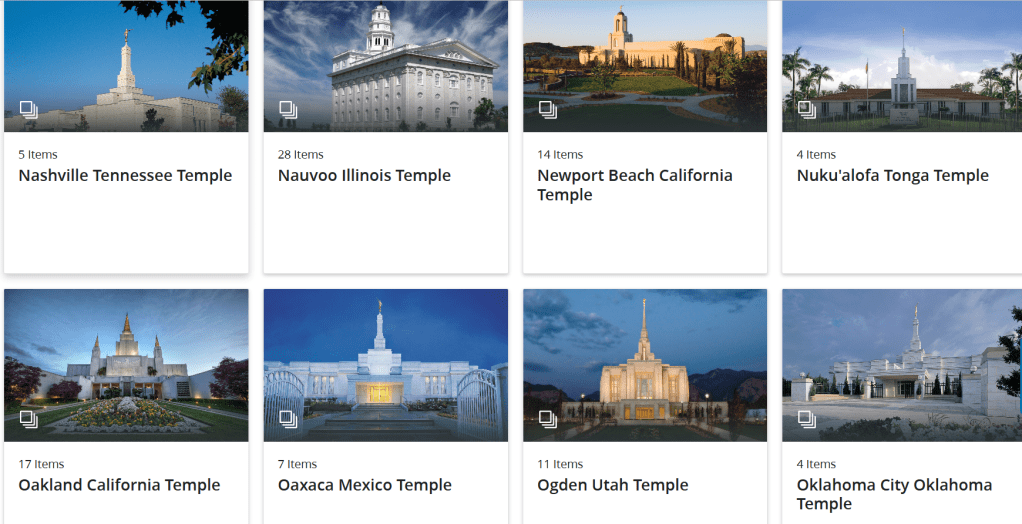
From the Manual: 1 Corinthians 6:19–20Comparing our bodies to temples, as Paul did, can be an effective way to teach about the sacredness of our bodies. Perhaps you could show pictures of temples, such as those that accompany this outline. Why are temples sacred? How are our bodies like temples? What can we do to treat our bodies like temples? (See also the August 2020 special edition of the Ensign or Liahona about sexuality.)
From The Manual: Read 1 Corinthians 13:13 and Moroni 7:47, and help the children repeat the phrase “Charity is the pure love of Christ.” Show pictures of Jesus being loving and kind, and ask the children how He showed love to others (see Gospel Art Book for ideas).
1 Corinthians 12:1–11After reading these verses together, consider giving everyone a piece of paper with the name of another family member at the top. Ask everyone to list the spiritual gifts they notice that person has. You could then pass the papers in a circle until everyone has had a chance to write about each family member’s gifts.
1 Corinthians 13:4–8Paul’s definition of charity might make an inspiring motto for your family. You could assign each family member to study a phrase in verses 4–8 and teach the rest of the family what it means using definitions, examples, and personal experiences. How is the Savior an example of these attributes? You could also make posters together for each of these phrases and display them throughout your house. Be creative!
From the Friend: Love at Home Craft (put hearts in each time you do something that shows love for a family member):
Ways To Say I Love You Board Game:
Treat: Make a heart-shaped treat like one of the ideas in this post from Dream A Little Bigger.
Week 36 Resurrection Sun Match
1 Corinthians 14-16 “God is Not the Author of Confusion, but of Peace”
From the Manual: 1 Corinthians 15:35–54What objects or pictures could you show to help your family understand some of the terms Paul used to describe how mortal bodies are different from resurrected bodies? For instance, to demonstrate the difference between corruptible and incorruptible (see verses 52–54) you could show metal that has rusted and metal that doesn’t rust. Or you could contrast something weak with something powerful (see verse 43).
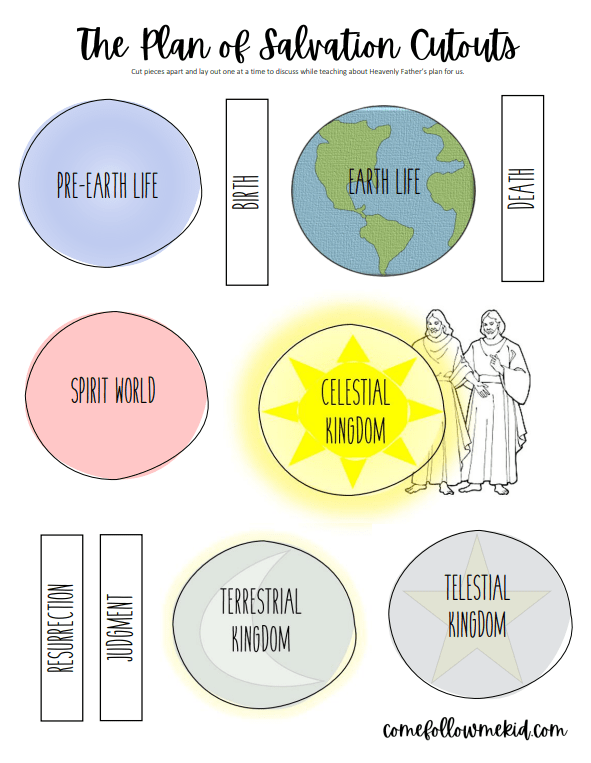
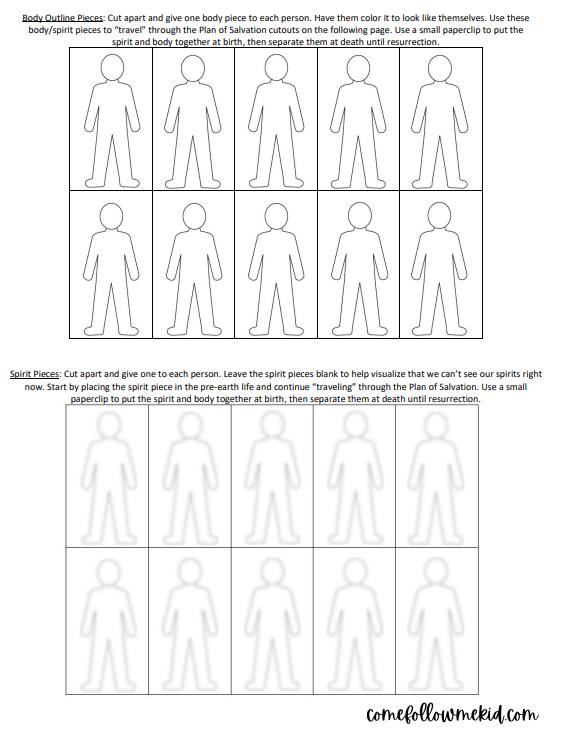
Spirit/Body Pieces to Travel through Plan of Salvation Cutouts:
Treat: Discuss this from the manual, then make a sunshine treat: Show pictures of the sun, moon, and stars. Invite the children to put them in order from the brightest to the least bright. Read 1 Corinthians 15:40–41 to the children (see also the Joseph Smith Translation in verse 40, footnote a). Explain that the sun, moon, and stars represent the kingdoms we can live in after we are resurrected. In the celestial kingdom, we can live with Heavenly Father.
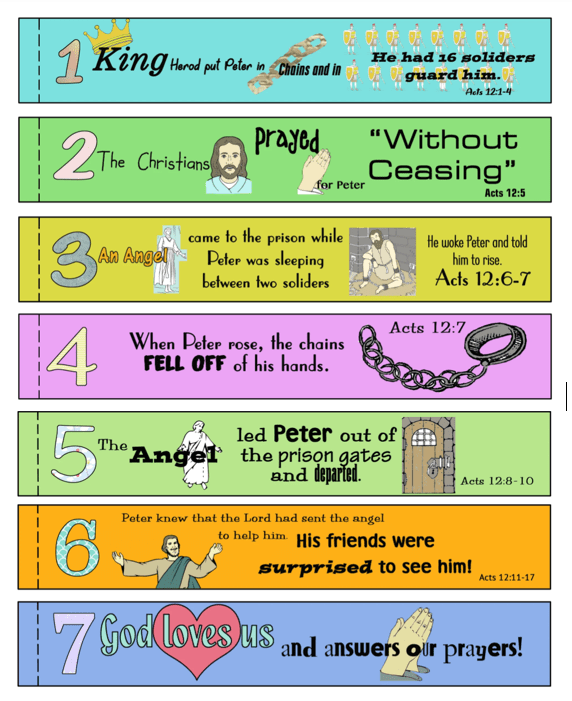
More Stuff: Part of being a true follower of Christ (a Christian) includes praying for not only ourselves, but also other people. Tell them we’re going to learn another story about Peter. Have them pay close attention to who prays and what happens because of it. Print up these “Peter in Prison” paper chains made by Crystal Wallace. Cut them apart and mix them up.
Have the kids find #1 first. When they find it, read the description of what it says and glue it into a link for our paper chain while discussing it. Keep going in order until they have all 7. Connect them all to each other to form a paper chain with 7 links. Once it’s all put together, have them take turns wearing the chain on their arms to represent the chain Peter was in while in prison. Look at the pictures on the links to see if they can remember the story in their own words and try to retell it. While retelling, they can act out when the chains fell off of Peter. Remind them that Heavenly Father hears our prayers, and sometimes miracles can happen because of them (if it’s His will). Share personal stories of miracles we’ve seen through the prayers of many people.
From the Manual: Acts 12:1–17 Your family could act out the account of Peter being cast into prison and members of the Church gathering together and praying for him. When have we been blessed by prayer? Is there someone we feel inspired to pray for, such as a Church leader or loved one? What does it mean to pray “without ceasing”? (Acts 12:5; see also Alma 34:27).
From the Friend: “I’m Christian” descriptions from The Friend (could cut apart, hid around room, take turns finding and discussing one at a time):
Treat: Make edible play dough using a recipe like this one from Surviving a Teacher’s Salary (or just use sugar cookie dough to make cookies with). Let them make whatever cool things they want to with it. Talk about how the dough can change and become really cool things. Compare this to how we can change and try to become more like Jesus every day through our faith and actions (not just on Sundays at church, but every day of the week as we try to be true followers of Him). If you have older kids, you could share this quote with them as well: “The Final Judgment is not just an evaluation of a sum total of good and evil acts- what we have done. It is an acknowledgment of the final effect of our acts and thoughts- what we have become.” (Elder Dallin H. Oaks).
Week 30 Paul’s Teaching Puzzle
Acts 16-21 “The Lord Had Called Us for to Preach the Gospel”
From the Manual: Create missionary name tags for the children to wear, and help them write their names on the tags. Teach the children simple statements of doctrine that they can share with others, such as “I am a child of God,” “God speaks through a living prophet,” or “Jesus Christ is our Savior.” Remind the children that we don’t have to have a missionary name tag to share the gospel with others. Free printable name tags created by Crystal from thredcrystal:
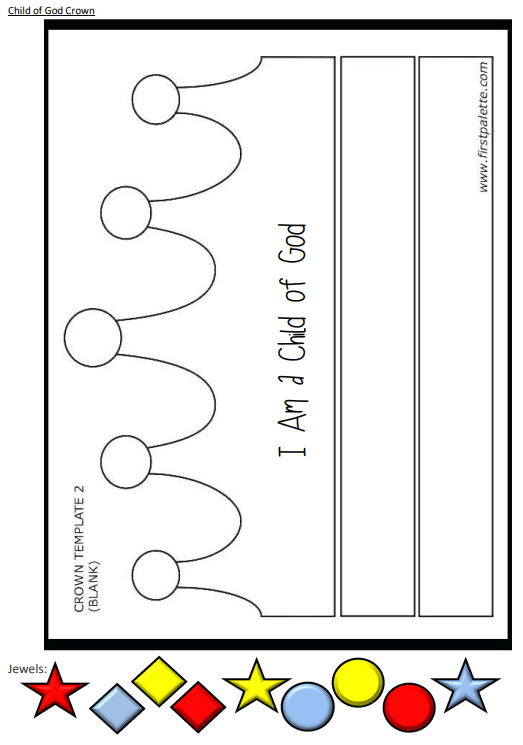
From The Friend: For Acts 16–21 Story: The Apostle Paul taught that we are all children of God (see Acts 17:28–29). Heavenly Father loves all His children. He has given each of us different gifts and talents. Song: “I Am a Child of God” (Children’s Songbook, 2–3) Activity: Draw a picture of yourself. At the top, write “I Am a Child of God.” Around the picture, write or draw things you like to do. How can you use your talents to help others?
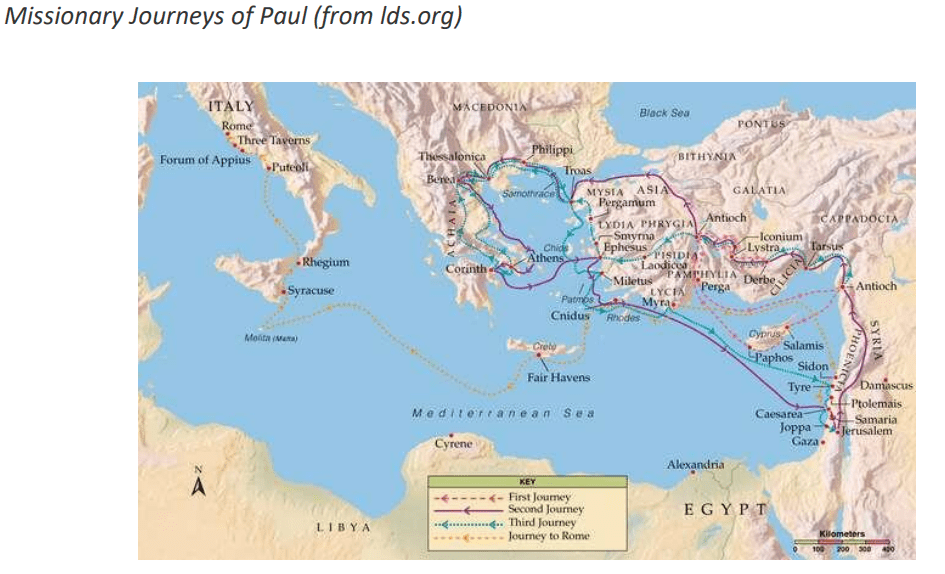
Show map of missionary journeys of Paul. Look up places family members have served missions as well. Do we always have to travel far to share the truths that we know?
Treat: From the manual: Show the children a stone, and explain that in Paul’s day, people worshipped gods they made out of stone and other materials. Ask the children to read Acts 17:27–29. What do we learn about God from these verses? Explain that offspring means children. Ask the children how it makes them feel to know that they are children of God.
From The Manual: Invite the children to pretend they are on a ship that is being wrecked in a storm. Read Paul’s warning to the people, found in Acts 27:9–10, and share the story of the shipwreck that happened because they didn’t listen to his warning (see Acts 27:11, 39–44). Show a picture of the President of the Church, and bear your testimony that he can warn us of spiritual dangers.
Bring a paper crown to class and let a child wear it and pretend to be King Agrippa. Invite another child to stand before the king to represent Paul as you summarize Paul’s testimony and the reaction of King Agrippa, found in Acts 26:1–29 (see “Chapter 63: Paul Finishes His Mission”). Explain that we can share our testimonies with others, as Paul did. Ask the children to listen while you sing or read a song about testimony, such as “I Know My Father Lives” (Children’s Songbook, 5). Invite the children to raise their hands when they hear something they know is true. You may want to sing the song several times; invite the children to join you once they’re familiar with the words. Help them practice sharing their testimonies of things they know are true.
Cut a piece of paper shaped like a ship into puzzle pieces. Invite the children to write Paul’s warnings in Acts 27:9–11 on the pieces and put the puzzle together. Why didn’t the people listen to Paul? (see verse 11). Invite the children to read verses 18–20 and 40–44 to find out what happened as a result. (Explain that because the people followed Paul’s later counsel to stay on the ship, no one died in the shipwreck; see verses 30–32.) What can we learn from this experience about following the prophet?
More Stuff: Be Of Good Cheer Video from Latter Day Kids Free Prophets Guide and Warn Us Sorting Activity
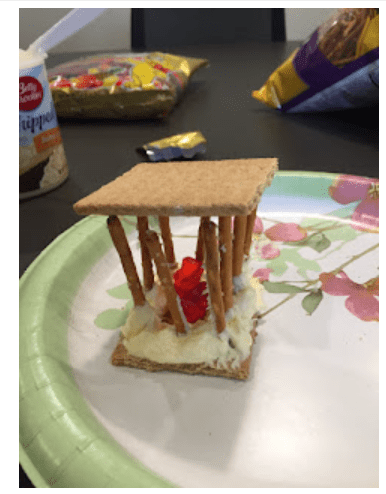
Treat: Use graham crackers, pretzels, frosting, and a gummy bear to make this “Paul in a Delicious Prison” treat.
From the Manual: Some people may feel discouraged at Paul’s bold declaration that “there is none righteous, no, not one” (Romans 3:10). But there are also hopeful messages in Romans. Look for them in chapters 3 and 5, and consider why remembering that “all have sinned, and come short of the glory of God” (Romans 3:23) is an important step toward learning to “rejoice in hope” through Jesus Christ (Romans 5:2).
Explain that we show our faith in Jesus Christ by obeying Him. Hide pictures around the room of people doing what Jesus has asked us to do. Let the children take turns finding and describing the pictures. What can we do to follow Jesus?
Invite the children to repeat the phrase “Walk in newness of life” (Romans 6:4). Tell the children what this means to you. For example, you might share memories about the day you were baptized and talk about how your baptism has helped you become more like Jesus Christ.
From the Manual: As Elder Jeffrey R. Holland testified, “Because Jesus walked such a long, lonely path utterly alone, we do not have to do so. … Trumpeted from the summit of Calvary is the truth that we will never be left alone nor unaided, even if sometimes we may feel that we are” (“None Were with Him,” Ensign or Liahona, May 2009, 88). Consider how the Savior can help you overcome loneliness as you read the rest of Elder Holland’s message.
Matthew 27:11–26; Mark 15:1–15; Luke 23:12–25; John 19:1–16 Why did Pilate deliver Jesus to be crucified, even though he knew Jesus was innocent? What lessons do we learn from Pilate’s experience about standing up for what we know is right? It might be helpful for your family to role-play scenarios that allow them to practice standing up for what is right.
Matthew 27:46; Luke 23:34, 43, 46; John 19:26–28, 30 Perhaps you could assign each family member to read one or more of the statements the Savior made on the cross, found in these verses. Ask them to share what they learn from these statements about the Savior and His mission.
From the Friend: Activity: Gather these objects: a nail, a piece of wood, a piece of cloth, and a stone. Pass them around while you read John 19:17–19 and Matthew 27:57–60. Why are you thankful for Jesus?
Treat: Use the poem found at Natural Beach Living to make a “Jelly Bean Bracelet” and talk about how the colors represent Christ.
Week 26 Christ’s Resurrection
Matthew 28; Mark 16; Luke 24; John 20-21 “He Is Risen”
From the Manual: President Thomas S. Monson said of Luke 24:5–6, “No words in Christendom mean more to me” (“He Is Risen!,” Ensign or Liahona, May 2010, 89). What do these words mean to you and your family? Consider singing together “Did Jesus Really Live Again?” (Children’s Songbook, 64). Talk about someone your family knows who has died, and discuss how the truths in this song bring comfort.
Treat: Follow directions from Over the Big Moon to make ice cream sundaes. Pour lots of salt on one of the ice cream scoops. Ask if it would be best to cover the salt with chocolate so you can’t see it anymore or to totally get rid of the salt. Compare this to being honest about mistakes. If we cover them up and lie, it doesn’t make them go away. How can we be better at being honest? How can being honest help us become more like Christ?
From the Manual: Consider inviting your family members to draw pictures of the stories in Acts 9:32–43. What do we learn about true discipleship from these stories? How can someone who is “full of good works,” as Tabitha was, help others believe in the Lord?
From The Friend: For Acts 6–9 Story: A man named Saul tried to destroy Jesus Christ’s Church. Then he repented and changed his life. He became a missionary and taught people about Jesus Christ. He became known as Paul. (See Acts 9:1–20.) Song: “I Know My Father Lives” (Children’s Songbook, 5) Activity: Get some dirt on your hands. How does it make you feel when your hands are dirty? Next, wash your hands with soap and water. Washing our hands is like repentance. Because of Jesus, we can repent and be clean again after we sin.
Treat: We haven’t tried these color-changing marshmallows yet, but we want to and I think they would go great with this lesson! You can heat them up over a fire, in the microwave, or over the stove, and the heat makes them change colors. Compare this to the change that happened to Paul/Saul as well as the positive changes that happen to us when we receive the Holy Ghost, heed its promptings, and become more like Christ.
From the Manual: Matthew 25:1–13 You could use the picture of the ten virgins that accompanies this outline to discuss Matthew 25:1–13. What details do we see in the picture that are described in these verses? You might cut paper in the shape of drops of oil and hide the drops around your home. You could attach the drops to objects like the scriptures or a picture of the temple. When family members find the drops, you could discuss how these things help us prepare for the Second Coming.
From the Friend: The Ten Virgins The Second Coming Story: Jesus Christ said that before He comes again, the gospel will be preached to all the world (see Joseph Smith—Matthew 1:31). We can help get ready for the Second Coming by sharing the gospel with others. Activity: Make your own missionary name tag! Write your name on a piece of paper and cut it out. On the back, write one thing you can do to share the gospel now. Pin or tape your name tag to your shirt.
Free Printable Missionary Tags:
Treat: Have some kind of celebration, however simple or big you want it to be (punch, treats, milk and cookies, family game/movie with popcorn, pinata if you want to go all out, etc.). Set a picture of Jesus out and remind them that when He comes again, it will be a happy time for us if we’re prepared. Testify of the importance of preparing for Jesus to come again and remind them of how much He loves us all.
From the Manual: Gospel Topics: Sacrament Matthew 26:26–29; Mark 14:22–25What is your family’s experience like during the sacrament each week? Reading about the first sacrament could inspire a discussion about the importance of the sacrament and ways to improve your experience. Consider displaying the picture Passing the Sacrament (Gospel Art Book, no. 108) and sharing ideas about what you can do before, during, and after the sacrament.
Treat: From the Manual: John 13:1–17The Savior is our example of humbly serving others. In Jesus’s time, washing another person’s feet was a task for servants, not leaders. But Jesus wanted His disciples to think differently about what it means to lead and to serve. What messages do you find in the Savior’s words and actions in John 13:1–17? In your culture, washing others’ feet may not be a customary way to serve. But consider what you can do to follow the Savior’s example of humble service.
Choose some ways to serve others around you, such as making/taking treats to others. Stayinghomesawyer and ChickenScratchNSniff have some fun ideas that incorporate treats:
From the Manual: John 14:26–27.How is Jesus’s peace different from the kind “the world giveth”? Family members could share ways they have found peace and comfort through the Holy Ghost.
Treat: Eat fruit snacks or if you want to get fancy, make a fruit pizza (like the one below from Cooking Classy) while discussing this section from the manual: John 15:1–8As I abide in Christ, I will bring forth good fruit. What do you think it means to “abide in [Christ]”? (John 15:4). What is your “fruit” that shows that you are attached to the vine, which represents Jesus Christ?
Week 24 Help From Christ and Angels
Luke 22; John 18 “Not My Will, But Thine, Be Done”
From the Manual: Pass around a picture of the Savior in Gethsemane (such as the one in this week’s outline in Come, Follow Me—For Individuals and Families). As each child holds the picture, say, “Jesus suffered because He loves [child’s name].” Invite the children to repeat these words with you.
Give a child a stick that is longer than the width of the classroom doorway, and ask him or her to hold it horizontally and try to walk through the door. Explain that the stick represents our sins, which keep us from entering God’s kingdom. Take the stick away to demonstrate that Jesus took upon Himself our sins so that we can be forgiven when we repent.
Treat: Angel Food Cake – While making/eating angel food cake, discuss how an angel strengthened Jesus Christ in Gethsemane (Luke 22:41–43) and remind them that angels can help strengthen us in our lives too.









































 Come, Follow Me Kid